Falala PNG, Christmas PNG, Merry PNG: A Designer’s Practical Review
As an embroidery designer who regularly tests machine embroidery designs for real-world applications, I recently had the chance to work with Falala PNG, Christmas PNG, and Merry PNG. These illustrations aren’t just festive digital assets—they’re design tools that can elevate your custom apparel, holiday gifts, or boutique product lines when used thoughtfully. Here's my take on how they perform in actual projects, what makes them unique, and where you might need to tread carefully.
First Impressions: Festive and Versatile
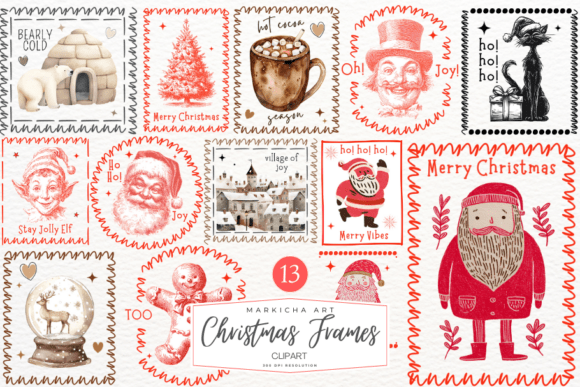
The first thing that stands out about these PNG files is their visual personality. Each design—Falala, Christmas, and Merry—has a hand-drawn, whimsical feel that screams “holiday charm.” The layout is balanced but not overly cluttered, making it suitable for both small-scale personal items and larger commercial products like tote bags or sweatshirts. The detail level is moderate; there are enough flourishes to add character without overwhelming the viewer. This kind of style naturally fits into handmade products, personalized gifts, and craft business branding during the winter season.
Mood and Theme
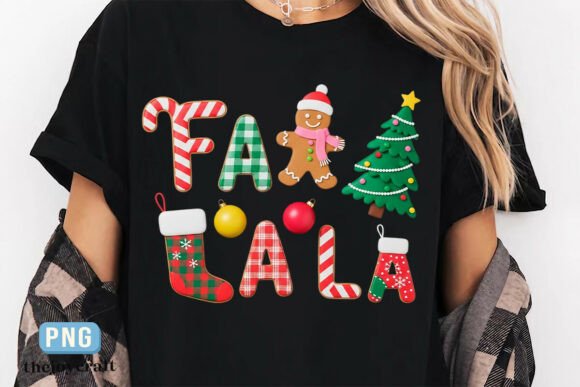
Falala PNG feels upbeat and joyful, with bold lettering and playful elements. Christmas PNG brings in classic holiday motifs—snowflakes, stars, maybe even a small tree—while still keeping things elegant. Merry PNG offers a softer tone, ideal for subtler holiday accents or baby-related embroidery. Together, they form a cohesive trio that could be used across a range of projects while maintaining brand consistency if you're running a seasonal shop or Etsy listing.
Real-Life Embroidery Performance
I tested these designs on a few common project types: a custom sweatshirt, a tote bag, and a small embroidered patch. The results were promising, especially when paired with the right fabric and stabilizer. On medium-weight cotton blends, the stitch density was well-managed, avoiding the typical issues of puckering or distortion. The thread color contrast was also strong when using light-colored fabrics, which helped the text and icons pop.
For sweatshirt embroidery, Falala PNG worked beautifully as a front-center logo. Its bold lettering translated well into satin stitches, and the overall look felt professional yet warm. On a tote bag design, I layered the three PNGs together to create a festive motif. The placement required some adjustment, but once aligned properly, the stitched result looked polished and ready for retail display.
In a custom apparel setting, particularly with baby clothes, I found that Merry PNG added a gentle touch of holiday cheer without being too loud. The font choice is soft and rounded, which is perfect for delicate garments. However, when using it on stretchy knits, I noticed that the corners of the letters needed reinforcement to avoid distortion after washing.
Where They Shine
- Handmade product embellishments, such as aprons or pillow covers
- Personalized gift tags or holiday cards
- Sweatshirt embroidery or tote bag design s for boutique-style shops
- Embroidered patches for caps or hats
- Commercial embroidery projects needing consistent holiday-themed visuals
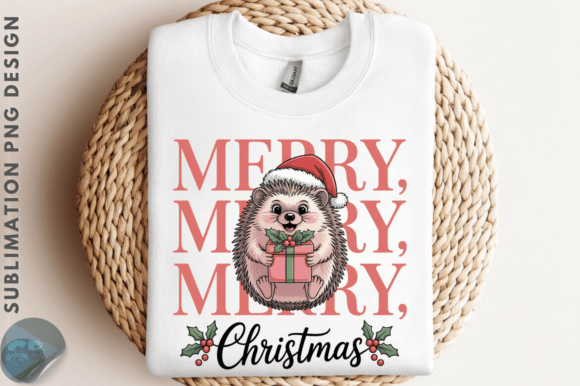
- Printable mockups for digital product sellers looking to showcase finished goods
Use with Caution: Design Limitations
While these designs are visually appealing, they do have limitations based on fabric and application. For instance, using them on textured fabrics like denim or canvas may cause stitch definition to appear uneven. Similarly, thin or stretchy materials require careful planning to prevent distortion or missed details.
When working with small hoop sizes, I noticed that some of the more intricate parts of the designs—like detailed corners or tiny lettering—could get lost or misaligned. If you're targeting products like embroidered patches or cap embroidery, you’ll want to simplify or scale down the design to keep the stitch clarity intact.
Also, consider fabric color. While the thread colors provided in the digital file offer good contrast on lighter backgrounds, the same might not hold true on darker ones. Always test on scrap fabric to ensure visibility before committing to a full production run.
Stitch Density and Fabric Compatibility
One key factor in the performance of any machine embroidery design is stitch density. These PNG-based designs have a decent balance between fill stitch and running stitch areas, which helps reduce bulk and keeps the design from becoming too stiff. However, if you plan to use multiple layers of embroidery file elements on the same area, you may need to adjust the density or opt for a lighter backing fabric.
Visual Appeal and Stitch Clarity
What really sets these designs apart is their ability to maintain visual appeal post-stitching. The hand-lettered fonts and simple iconography give them a fresh, modern look compared to generic holiday templates. As an embroidery project for a craft business, they help establish a sense of professionalism and care, which is crucial for building customer trust.
On handmade products like tea towels or kitchen aprons, the stitch clarity of these designs adds a decorative yet functional element. They’re not overly complex, so they don’t distract from the purpose of the item, but they do provide enough detail to make it stand out in a crowded market.
Customer Reaction and Giftability
I ran a quick test by showing the printable mockup of a personalized gift to a group of potential buyers. The feedback was positive—people appreciated the festive yet classy vibe. That said, a few mentioned that they’d prefer the text in a different color depending on the fabric background. This highlights the importance of flexibility in thread selection when selling finished products or digital embroidery files.
If you're an Etsy seller or part of a small shop, these designs can boost buyer engagement simply because they feel handcrafted and intentional. Customers are drawn to uniqueness, and these PNGs deliver that without overdoing it.
Designer Notes for Real Use
- Test on scrap fabric first—especially if you're considering using them on stretchy or dark materials.
- Check thread color contrast against your chosen fabric. Sometimes, the default colors in the digital embroidery file may not work as well as you expect.
- Review stitch density for each section. Adjust fill or running stitches if you notice excessive bulk or gaps.
- Confirm hoop size requirements before starting a large batch. Some parts of the design may need extra space for proper alignment.
- Inspect tiny lettering and detailed corners under magnification. These can be tricky for certain machines or fabric types.
- Try a black-and-white mockup to see how the design will look in grayscale—this helps visualize contrast on unexpected fabric choices.
- Compare how the design looks on light and dark fabric backgrounds. This gives you options for different product lines.
- Use proper stabilizer to avoid shifting or puckering, especially on thin or curved surfaces.
- Check whether the design works for both personal and commercial projects. Licensing terms should always be clear before selling finished items or digital assets.
Best Fit for Your Projects
If you're aiming to create a holiday gift line or update your small shop product offerings, these designs are a solid addition to your collection. They fit well into nursery decor, embroidered patches, and apron embroidery due to their clean structure and manageable complexity.
They also pair nicely with other design assets for layered effects. For example, using Christmas PNG as a central motif with Falala PNG as a border or accent adds depth without complicating the stitch layout.
Consider the Surface
These designs are best suited for flat, stable surfaces. Avoid placing them on highly curved areas like baseball caps unless you’re prepared to split the design and reposition it manually. Even then, the final appearance may vary slightly depending on the cap’s curvature.
Final Thoughts for Creative Entrepreneurs
Embroidery isn't just about aesthetics—it's about practicality, durability, and customer satisfaction. Falala PNG, Christmas PNG, and Merry PNG offer a nice blend of all three when applied correctly. Their visual appeal is high, their stitch clarity is consistent, and their adaptability across various product types makes them valuable illustrations for any creative entrepreneur.
Still, no design is one-size-fits-all. Take time to evaluate how they interact with your specific materials and tools. Whether you're stitching a sweatshirt embroidery piece for a client or preparing design assets for resale, thoughtful testing and preparation go a long way in ensuring the finished product meets expectations—and exceeds them.