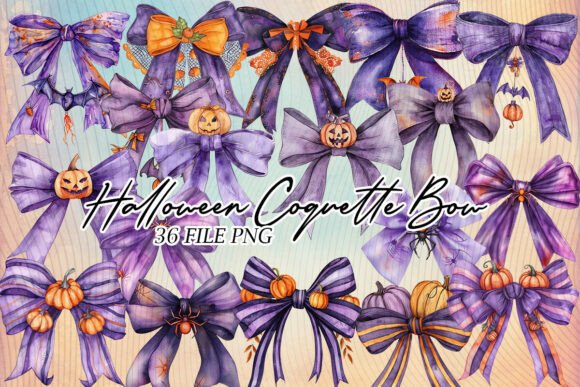
Cute Christmas Coquette Bow for Embroidery Projects
As an experienced embroidery designer and product reviewer, I’ve seen my fair share of digital clipart and machine embroidery designs. When I first opened the Cute Christmas Coquette Bow Clipart, I was immediately drawn to its charm and festive flair. It’s not just another holiday design—it has a distinct personality that makes it stand out in a crowded market of snowflakes and reindeer. This bow feels like something you'd find on a boutique gift tag or a darling baby sweater, with soft curves, delicate lines, and a touch of whimsy that screams handmade quality.
A Design That Brings Joy to Stitching
The Cute Christmas Coquette Bow is a classic illustration-style design, perfect for those who want to add a lighthearted yet elegant touch to their projects. Its layout is balanced and symmetrical, which gives it a sense of order while still feeling playful. The detail level is moderate—enough to show off some visual interest but not so intricate that it becomes overwhelming for most machines or fabrics. The theme blends coquette aesthetics with Christmas cheer, making it versatile enough for both children's items and adult gifts without losing its appeal.
What I love most about this design is how it naturally fits into custom apparel and personalized gifts. Whether you're working on a sweatshirt embroidery piece for a client or creating a line of handmade products for your Etsy shop, this bow adds a decorative flourish that feels intentional and high-quality. It’s the kind of design that can elevate a simple tote bag into a standout holiday item or transform a plain onesie into a cherished baby gift.
Real-World Applications and Performance
In practical terms, the Cute Christmas Coquette Bow shines brightest when applied to larger surfaces such as tote bags, pillow covers, and sweatshirts. Its shape allows for easy placement and doesn’t require too much manipulation to fit different areas. The bow looks especially lovely stitched in satin stitch, giving it a polished finish that complements both casual and dressier items. For custom apparel like t-shirts or hoodies, it works well as a small accent near the hem or sleeve, or as a central motif if paired with other simpler elements.
For embroidered patches, the bow translates beautifully, especially when using applique techniques. It retains its softness and elegance even after multiple washes, provided the stabilizer and thread choices are appropriate. In holiday gifts, I've found that adding this bow to tea towels or aprons creates a warm, inviting look that customers associate with care and craftsmanship. It also pairs well with other seasonal motifs, like holly or poinsettias, for cohesive design assets in your collection.
Small-Scale Considerations
While the bow looks stunning at full size, it’s worth noting that it may lose clarity when scaled down. If you’re considering using it in a tiny hoop for earrings or keychains, test it carefully. The detail level might not hold up on very small scales, and the stitching could become distorted. Also, be mindful of hoop size requirements—some machine embroidery designs need specific minimums to maintain integrity, and this one is no exception. Always check the recommended hoop size from the file provider before committing to a production run.
Design Compatibility and Fabric Behavior
When evaluating how this design performs across various materials, I noticed that it handles medium-weight cotton and stretch knits reasonably well. However, on textured fabrics like flannel or denim, the stitch definition may soften slightly. To counteract this, using a tear-away stabilizer underneath and ensuring good tension control helps preserve the crispness of the bow.
On dark fabric backgrounds, the design benefits from strong thread color contrast. I recommend testing it with white or red threads to ensure visibility. Conversely, on light-colored fabrics, the subtle shading in the bow adds depth and dimension that really pop. For commercial embroidery applications, this adaptability is a big plus—it means the same design can work across a range of products in your inventory.
Stretchy and Thin Fabrics
If you plan to use the Cute Christmas Coquette Bow on stretchy or thin fabrics, take extra precautions. Stretchy materials can cause distortion in the stitches, particularly in tight satin-stitched areas. Using a cut-away stabilizer will help prevent this issue. On thin fabrics like jersey or muslin, the design might appear more delicate than intended, so consider reinforcing the back with interfacing or adjusting stitch density for better support.
Visual Appeal and Customer Reception
From a branding standpoint, this design brings a sense of warmth and personalization to any small shop product. Customers tend to respond positively to hand-stitched bows—they evoke nostalgia and femininity, which are powerful triggers in gift-giving and fashion contexts. As an Embry Club member and digital embroidery file user myself, I’ve seen how a thoughtful design can make a world of difference in customer trust and engagement. This bow doesn’t scream “mass-produced”; instead, it whispers “carefully curated,” which is exactly what today’s shoppers are looking for.
It also enhances product value subtly. Adding a coquette-inspired bow to a basic onesie or a throw blanket instantly makes it feel more special. And let’s not forget about giftability—this design has a certain je ne sais quoi that makes it ideal for holiday markets, craft fairs, and Etsy listings. It’s recognizable, charming, and versatile enough to attract a wide audience.
Designer Notes: What to Keep in Mind
- Test on scrap fabric first to assess stitch behavior and adjust settings if needed.
- Review the thread colors included in the design—do they match your brand palette or project needs?
- Check the stitch density in fill and satin-stitched areas to avoid puckering or stretching.
- Confirm the hoop size required, especially if you're planning to scale it for different products.
- Inspect small details like loops and tassels—will they hold up on frequent-wear items like caps or tea towels?
- Use printable mockups to visualize the final product before sending it to manufacturing or listing it online.
- Consider how the design looks in black and white or on grayscale prints—does it still convey the intended mood?
- Always compare the design on both light and dark fabric backgrounds to ensure consistent visibility.
- Use the correct stabilizer for your chosen fabric to maintain stitch integrity and durability.
- Verify whether the design is suitable for commercial embroidery and confirm licensing rights before selling finished items or digital files.
Where It Fits Best
This design thrives on flat surfaces and mid-sized items. Think of it as the perfect companion for:
- Baby clothes—it adds a sweet, girly touch to onesies or hats.
- Holiday gift tags or embroidered labels—ideal for wrapping paper or custom packaging.
- Tote bags—a festive, eye-catching accent that turns a utilitarian item into a collectible.
- Nursery decor—especially when paired with other gentle, pastel-themed designs.
- Custom sweaters or sweatshirts—great for sleeves, collars, or as part of a larger winter scene.
- Digital product previews—use it in printable mockups to showcase your offerings to potential buyers.
Products to Approach With Caution
There are a few situations where the Cute Christmas Coquette Bow might not perform optimally:
- Very small hoops: Details may get lost or distorted.
- Curved surfaces like caps or hats: The symmetry of the bow may not align well unless adjusted for curvature.
- Frequent-wash items like tea towels or aprons: Ensure the design uses durable stitch types and threads.
- Layered garments or complex seams: Placement is critical to avoid misalignment after construction.
Final Thoughts for Makers and Merchants
The Cute Christmas Coquette Bow Clipart isn't just another holiday pattern; it’s a design with character. As someone who evaluates embroidery files for real-world use, I appreciate how it balances aesthetic appeal with practical functionality. It’s adaptable enough for both hobbyists and professionals, and its charm makes it a natural fit for personalized gifts and craft business offerings.
Before incorporating it into your next project, remember to test it thoroughly. Check how it behaves on your usual materials, adjust stitch density for optimal results, and always verify licensing if you plan to sell the finished goods. Done right, this bow can become a signature element in your creative repertoire—adding a little magic to every finished product you create.